
News Categories
Release Liner Selection for Double-Sided Tape in Production
How to Evaluate an Industrial Adhesive Tape Sample
Die-Cut Adhesive Tape: Design the Part and the Process Together
Aluminum Foil Tape for HVAC: What to Check Before Ordering
How to Choose Foam Tape for a Bond Between Uneven Surfaces
A Better Adhesive Tape Bond Starts Before the Tape Is Applied
Comparing Industrial Tape Quotations
Planning a Tape Sample Evaluation
Preparing an Industrial Tape Enquiry
News / Product News
Die-Cut Adhesive Tape: Design the Part and the Process Together
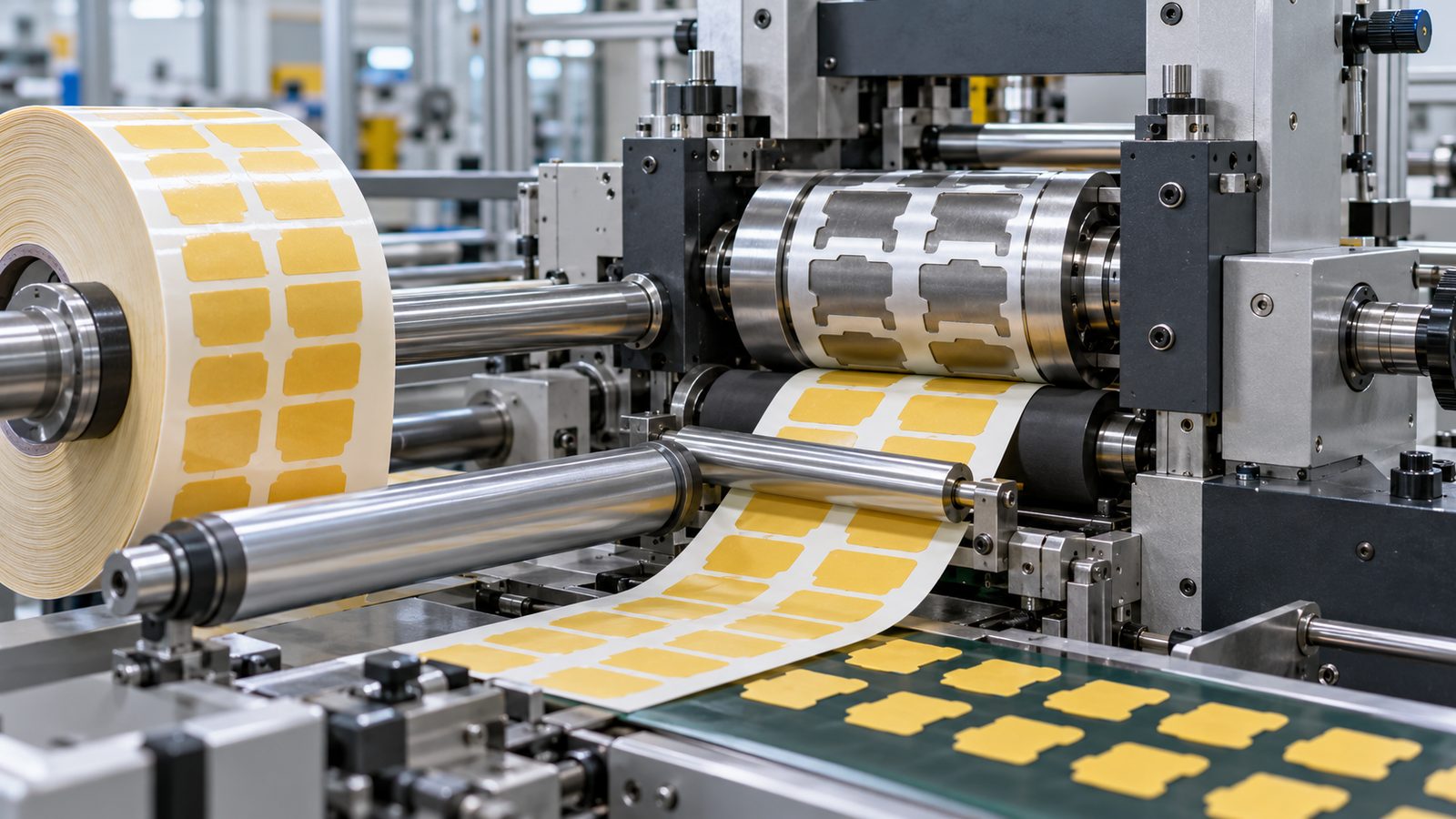
A die-cut tape part combines adhesive material, liner, geometry, and a placement process. The best starting point is a drawing and a clear description of how the part will be applied—not a shape considered in isolation.
Send a production-ready drawing
Include the part outline, critical dimensions, tolerance requirements, orientation, and any keep-out zones. Identify which dimensions control fit or function. If the part is applied by a robot or fixture, include the required web direction and placement reference.
Match the construction to the surfaces
Name both substrates and their finishes. Describe the expected loads and service environment, and note whether the tape must bond to foam, plastic, metal, glass, or a coated surface. The material choice should be confirmed with samples and the technical data for the specific construction.
Choose a liner for handling
The release liner can affect part stiffness, dispensing, registration, and ease of removal. For manual placement, the operator may need a tab or split liner. For automated application, liner stiffness, web direction, and consistent release can influence feeding. Validate these details with the actual equipment.
Discuss converting limits early
Ask the converter to review small radii, narrow features, bridges, holes, waste matrix removal, and the relationship between part pitch and web width. Some shapes may be possible but difficult to weed or handle at the desired rate. Early feedback can prevent a late redesign.
Build a sample loop
Confirm the first article against the drawing, then test it on the actual part and application process. Review alignment, liner removal, edge quality, and finished-bond performance. After approval, keep the drawing revision and material specification aligned with purchasing documents.
For a useful quotation, provide a PDF or CAD drawing, annual or monthly demand range, target delivery format, substrate details, placement method, and any quality documentation requirements. These details allow supplier and buyer teams to assess the complete converting job.
Technical references: tesa industrial tape technology overview. Manufacturer guidance applies to the stated products and conditions.