
News Categories
Release Liner Selection for Double-Sided Tape in Production
How to Evaluate an Industrial Adhesive Tape Sample
Die-Cut Adhesive Tape: Design the Part and the Process Together
Aluminum Foil Tape for HVAC: What to Check Before Ordering
How to Choose Foam Tape for a Bond Between Uneven Surfaces
A Better Adhesive Tape Bond Starts Before the Tape Is Applied
Comparing Industrial Tape Quotations
Planning a Tape Sample Evaluation
Preparing an Industrial Tape Enquiry
News / Product News
How to Choose Foam Tape for a Bond Between Uneven Surfaces
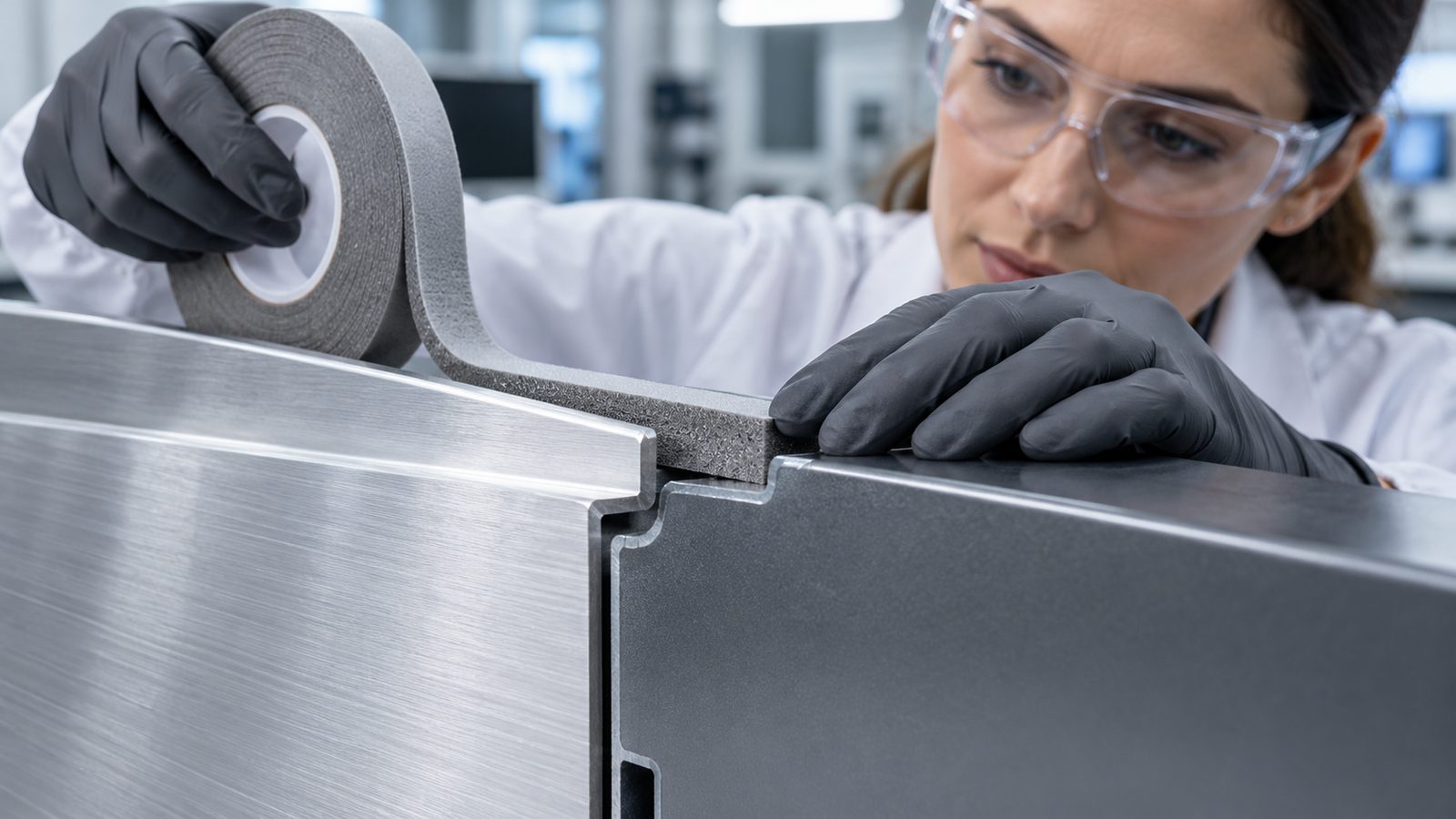
Foam tape can help bridge small surface irregularities because its compressible construction conforms to the parts being joined. The right choice still depends on the surface, gap, bond area, loads, and environment. Start by describing the assembly rather than choosing by tape thickness alone.
Measure the joint
Record the gap across the full part, not just at one convenient point. Note whether the surfaces are flat, curved, textured, or slightly mismatched. A thicker foam may accommodate more variation, but it also changes the bond-line geometry and may affect appearance, movement, and edge loading.
Check both substrates
List each substrate separately, including coatings and surface finishes. A tape that bonds well to one side may be limited by the other. For dissimilar materials, consider how they expand, flex, or move differently over temperature changes and normal use.
Map the load and environment
Is the joint mainly exposed to shear, peel, tension, impact, or a mix? Is it indoors or outdoors? Could it encounter moisture, UV, cleaning chemicals, heat, or vibration? These details help narrow candidate adhesive families and identify tests needed before production.
Consider assembly and conversion
Foam tape may be supplied in rolls, slit widths, sheets, or die-cut shapes. The liner should suit manual or automated placement and should be removable without disrupting the part. For production, also review placement tolerances, part geometry, storage, and how operators will locate the tape.
Validate the actual assembly
Prepare representative samples using the production surface and process. Keep application pressure and dwell consistent, then test the conditions that matter for the finished part. A datasheet is a starting point; the assembly trial checks fit with your actual materials and geometry.
The most useful RFQ includes substrate names and finishes, target gap, bond area, service conditions, required format, and expected monthly usage. With those details, a supplier can recommend candidate constructions and samples for evaluation.
Technical references: tesa industrial tape technology overview. Manufacturer guidance applies to the stated products and conditions.